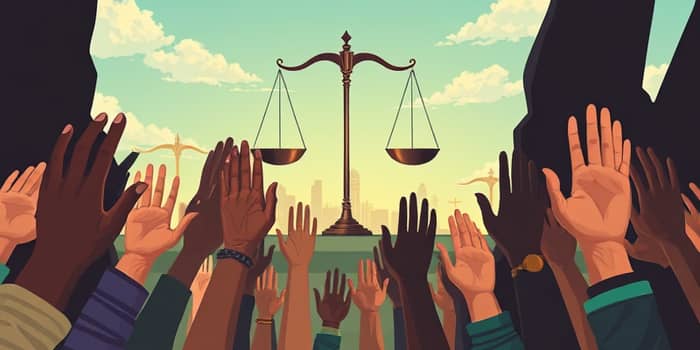
Unregulated markets flourish where oversight is weak or absent, and the stakes are nothing less than human lives. From tainted products to forced labor, the hidden toll of unchecked commerce reverberates through communities worldwide.
By examining health crises, labor abuses, social instability, economic losses, and paths to reform, we uncover the urgent need for balanced regulation.
In markets without safeguards, consumers become vulnerable to dangerous shortcuts. Illicit alcohol, for example, has caused tragedies across multiple countries. In Indonesia alone, nearly 150 people died in early 2018 after drinking moonshine laced with mosquito repellent.
Equally alarming are the lives lost to extreme inequality. Oxfam estimates at least 21,300 deaths per day can be traced to the effects of unequal wealth distribution. That equates to one every four seconds, underscoring a grim reality in which poverty and lack of access to care lead to preventable fatalities.
Mental health disparities further amplify the crisis. In the U.S., projected costs for treating inequitable mental health outcomes could reach $14 trillion by 2040, representing a burden of roughly $42,000 per individual affected.
Unregulated markets deepen labor abuses, trapping millions in forced work. Today, over 25 million people globally remain victims of modern slavery, primarily within informal sectors that escape scrutiny.
Consider these case studies:
In Bangladesh, 2023 protests for higher wages ended with four worker deaths and over 100 imprisonments. Even after a raise to $113 per month, miners and factory hands earn only a fraction of the estimated $302 needed for a living wage. Shockingly, only 1% of brands disclose how many of their employees earn enough to thrive.
Unchecked commercial practices widen the gap between rich and poor, fueling social unrest and eroding trust. Since the 1990s, the global Gini coefficient has climbed from 69.7 in 1988 to persistent highs above 60 today.
Within nations, the disparity is stark. In the U.S., the top 1% now earn approximately 139 times the income of the bottom 20%. Surveys across 36 countries show a median of 54% of citizens view this divide as a “very big problem.”
Beyond the human suffering, unregulated markets inflict staggering economic losses. Illicit alcohol costs governments $1.8 billion annually across 18 countries, with Colombia alone forfeiting $406 million in 2015.
In the U.S., socioeconomic health inequities are projected to cost nearly $1 trillion per year, largely due to adults absent from the workforce because of chronic illness. These gaps underscore how driving up prices for essentials and permitting substandard products undermines broad-based prosperity.
Infant mortality rates spike in economic downturns, which are more frequent where oversight is lax. Rapid recessions linked to unregulated financial instruments devastate vulnerable families first.
Addressing the human cost requires coordinated action from governments, corporations, and civil society. Key strategies include:
International bodies like the ILO and WHO advocate for minimum standards to protect the most vulnerable. Corporate social responsibility programs can complement legislation—but only when backed by transparent audits and genuine accountability.
Examples of progress exist: countries with effective frameworks show lower inequality and higher human development indicators. But many nations still rely on piecemeal reforms, leaving gaps that unscrupulous actors exploit.
The human cost of unregulated markets is measured in lives lost, families torn apart, and futures stifled. Yet the path forward is clear: balanced regulation, ethical business practices, and empowered communities can transform markets into drivers of shared prosperity.
By demanding transparency, supporting fair labor, and holding governments accountable, we can ensure that economic systems serve all people—not just a privileged few. It is time to reclaim human dignity from the shadows of unregulated commerce and build a more just global economy.
References